

Guinness Stout: The Dark Beer With Many Health Benefits AC
Understanding these interactions is crucial for anyone on blood thinners. Blood clotting involves a cascade of proteins called coagulation factors. Alcohol can lower levels of some of these factors, such as fibrinogen, which is essential for clot formation. Reduced fibrinogen means slower clotting times and thinner blood consistency. Alcohol can have a blood-thinning effect by reducing platelet aggregation and altering clotting factors, but its impact varies by amount and individual. If you are an alcoholic, your very first step in recovery should be to medical alcohol detox in a safe and medically supervised setting.
Food Insecurity: A Global Crisis Affecting Millions
According to research, the presence of flavonoids in stouts can lower the risk of blood clots. This beer can help the body fight free radicals as it begins to work on its metabolism. Blood clotting is a complex process drug addiction treatment involving various components, primarily platelets and clotting factors.
Benzo Rehab
- Keep reading to learn more about this blood-thinning effect, how alcohol interacts with blood-thinning medications, and more.
- One of the primary effects of alcohol on blood clotting is its ability to interfere with the function of platelets.
- PharmaServe.com also uses affiliated international pharmacies and fulfillment centers located in Singapore, the United Kingdom, Turkey, Australia, Mauritius and New Zealand.
- Moderate beer consumption may have a blood-thinning effect due to compounds like polyphenols and ethanol, which can enhance circulation and inhibit platelet aggregation.
While light-to-moderate consumption of wine may act as an anticoagulant and reduce the risk of blood clots, it is not recommended as a blood-thinning substitute for prescribed medications. Excessive wine consumption can lead to elevated blood pressure and excessive bleeding. Additionally, chronic alcohol consumption can lead to changes in the body’s ability to regulate blood clotting.

Is a holistic approach better for cardiovascular health?
- This long-term impact is linked to the health of the liver, the organ responsible for metabolizing alcohol and producing most clotting proteins.
- Understanding how alcohol affects blood thinning is essential for individuals who may be taking anticoagulant medications or those with existing circulatory conditions.
- Recent research endeavors have added further backing for such a claim, as alcohol has the ability to thin the blood.
- However, it’s essential to consume beer in moderation, as excessive intake can lead to thicker blood and increased blood pressure.
Blood thinners can prevent clotting and stave off the growth of existing clots but can lead to serious, potentially life-threatening bleeding if not taken in the recommended dosage. Learn what factors affect outcomes and which treatment option fits your recovery needs. Acute inpatient alcohol rehab provides short-term, medically supervised care with detox, therapy, and structured support to stabilize early recovery. The Centers for Disease Control and Prevention defines that as one standard glass of wine per day for women and 2 standard glasses of wine for men. Drinking less (or not at all) will always be better for you than even moderate drinking.
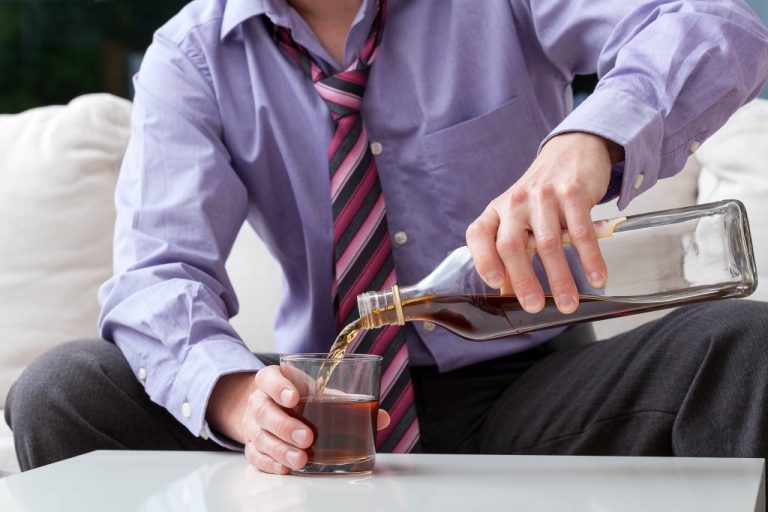
General Health
The liver also plays a central role in producing various proteins and factors necessary for blood clotting, best alcohol to thin blood such as fibrinogen. Heavy or chronic alcohol consumption can impair liver function, which then reduces the liver’s ability to produce these clotting factors. This dual action—on platelets and clotting factor production—contributes to alcohol’s independent blood-thinning effect. It does not “thin” the blood but instead disrupts vascular function, increases blood pressure, impairs clotting mechanisms, and promotes inflammation and arterial damage. For individuals concerned about circulatory health, limiting alcohol intake and adopting a healthy lifestyle are essential steps to mitigate these risks. Alcohol’s impact on blood circulation and vessel health is a complex interplay of immediate and long-term effects.
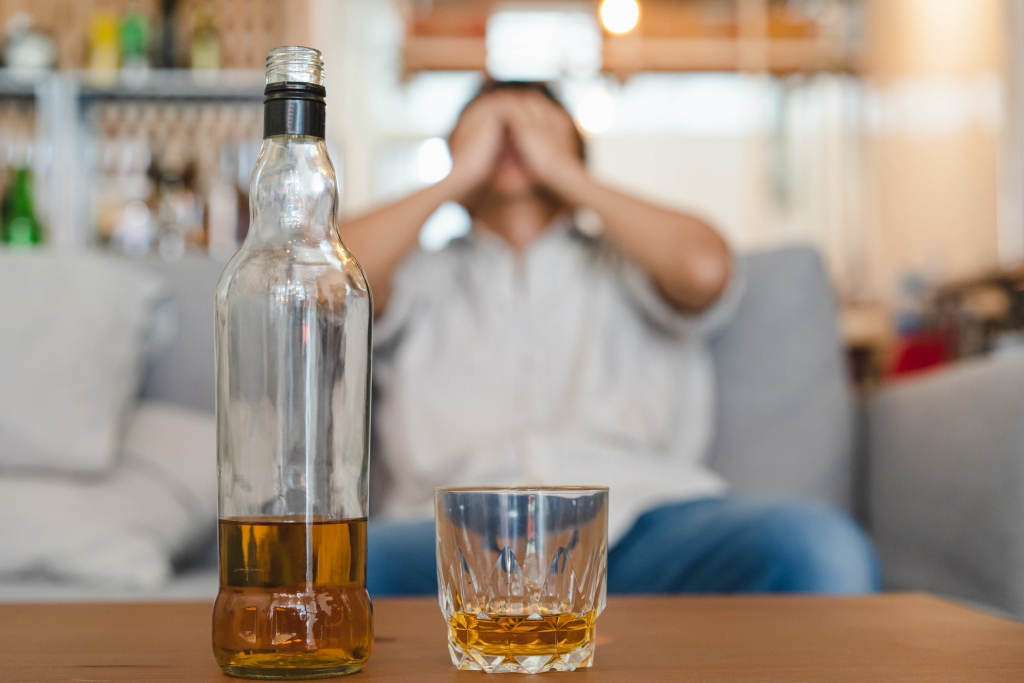
When alcohol is consumed in small to moderate amounts, its immediate effect is a temporary inhibition of platelet activity. Moderate alcohol intake makes platelets less “sticky,” reducing their tendency to clump together and form a clot. Moderate alcohol consumption acts as an inhibitor, making platelets less “sticky” and reducing their ability to aggregate. Shortly after drinking, alcohol interferes with the chemical signals platelets use to communicate and bond. This mild functional impairment means the blood’s ability to clot quickly is diminished in the short term. The immediate impact of alcohol on blood clotting primarily involves platelets, the body’s tiny, disc-shaped cellular fragments.
Can moderate alcohol consumption have any health benefits?
- You may have a higher chance of getting clots in the veins in your legs after a hip or knee replacement.
- For the most part, moderate alcohol consumption is safe for people while taking blood thinners as long as they have no major medical problems and are in overall good health.
- Your metabolism, weight, and even what you ate that day all matter when it comes to the effects of alcohol and how long the effects will last.
- The amount of alcohol consumed is a primary determinant; higher intake generally leads to a more pronounced and longer-lasting effect on blood clotting.
- While alcohol can have an effect on blood flow and blood vessels, it is not considered a blood thinner in the same way as medications like heparin or warfarin.
- When a person’s blood has a low level of platelets, it will not clot as it should.
Alcohol use — especially in excess — can also pose other risks to your health. Combining alcohol with anticoagulant or antiplatelet medications presents a risk due to a synergistic effect on clotting ability. Prescription blood thinners, such as Warfarin, Apixaban, or Rivaroxaban, are designed to carefully regulate the clotting cascade. Alcohol can amplify the blood-thinning effects of these medications, increasing the risk of uncontrolled bleeding and internal hemorrhage. After a period of heavy drinking and subsequent withdrawal, the body may overcompensate for alcohol’s inhibitory effects by producing highly reactive platelets.
Treatments for Deep Vein Thrombosis (DVT)
As a result of this, patients recovering from surgery were accustomed to receiving Guinness. According to a recent study published in the journal Circulation, drinking dark beer, particularly stout, has been shown to lower your risk of blood clots. Don’t be afraid to try a cold Guinness – it’s not as sugary as a sugared beverage and you won’t need to empty your bladder afterwards. The duration of alcohol’s blood-thinning effect varies significantly among individuals based on several factors. The amount of alcohol consumed is a primary determinant; higher intake generally leads to a more pronounced and longer-lasting effect on blood clotting.
Alcohol Recovery Treatment
And that can lead to some serious stuff, like stroke, heart attack or pulmonary embolism. I’ve found that moderate beer consumption might offer some benefits, especially regarding cardiovascular health. Engaging in regular exercise and maintaining a balanced diet offers a more comprehensive approach to cardiovascular well-being. Health is about making smart choices, not just enjoying a pint or two.