

Bookkeeping Basics for Small Business Owners
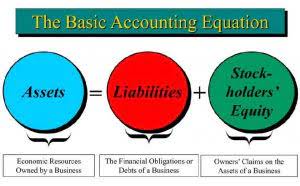
If two sides of the equations don’t match, you’ll need to go back through the ledger and journal entries to find errors. Post corrected entries in the journal and ledger, then follow the process again until the accounts are balanced. Then you’re ready to close the books and prepare financial reports. Setting up bookkeeping for a small business is crucial for accurately and efficiently tracking finances. This is considered one of the most important papers every business owner should Accounting for Technology Companies have.
- At its core, bookkeeping is all about keeping track of and maintaining accurate records of a business’s finances.
- Deciding whether to do your bookkeeping or hire someone depends on your situation.
- The first step you’ll need is a business bank account, which allows you to keep your personal and business expenses separate.
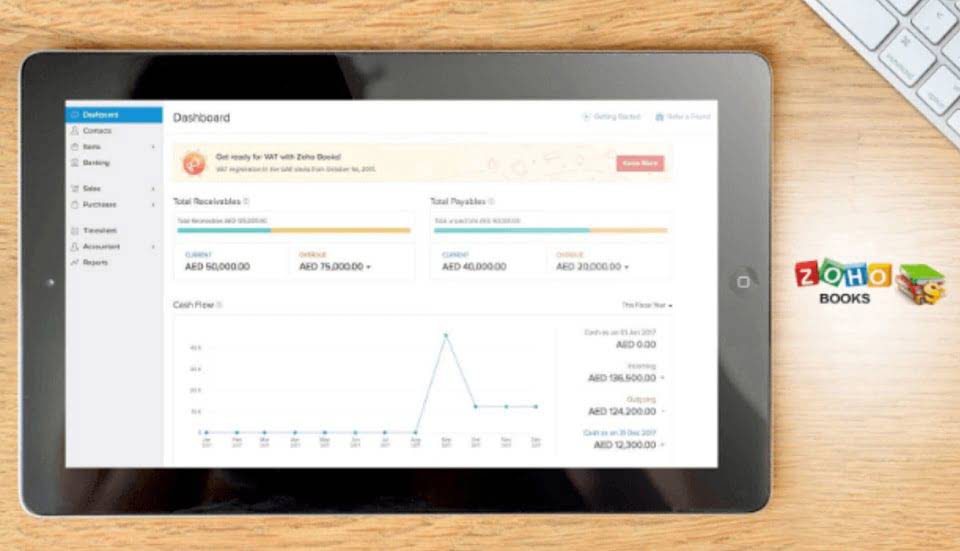
- Online bookkeeping software and tools provide a reliable and cost-effective solution to help a business save time and reduce errors.
- Whether you’re aspiring to be a bookkeeper, managing a small business, or starting your own company, understanding the fundamentals of bookkeeping is vital.
- If you want to be hired for a bookkeeping job, read this book, apply its lessons, and the job will become much easier for you.
Understanding Dividends: What UK Business Owners Need to Know
They will do everything possible toensure you are happy with your order. But as your business grows, software will become more efficient and accurate. A professional can save you hours of time and thousands in errors. Every transaction should be backed Accounting Periods and Methods by a receipt, invoice, bank statement, or bill. This is not only good practice but necessary for IRS audits and deductions.
Bookkeeping Basics: How to Balance the Books

Then a loan payable account will track payment details and monthly due dates for your business loans. This account deals with the money that your business owes to vendors, contractors, and other parties. An accounts payable account gives you a clear and simplified view of when your payments are due and helps you avoid duplicate payments. Here are 1o types of bookkeeping accounts for a small-to-medium sized business.
Bookkeeping Basics: What Every Nonprofit Bookkeeper Needs to Know PDF
- Small businesses often start with cash accounting because it’s more straightforward.
- This book should be read as a supplementary and not as a textbook.
- You can still go old-school and do this on physical books, but most businesses use computer booking software to record their accounts.
- This numbering system allows for the easy addition of new accounts as the company grows.
- Whether conducted in-house or through different accounting services, mastering the basics of bookkeeping is crucial in running a successful business.
Customers find the book easy to understand, with one mentioning that it describes processes in simple terms. Keeper is the How to Meet Your Bookkeeping Needs top-rated all-in-one business expense tracker, tax filing service and personal accountant. Know that you must record each and every debit and credit financial transaction, no matter how small it might be. As the name suggests, this account tracks all the revenue your business makes from sales. Recording and maintaining an accurate sales account will help you understand where your business is currently standing. Has your business borrowed money to purchase assets like property, furniture, vehicles, and equipment?
- There are several types of business bank accounts, each with its own purpose and benefits.
- They’re used to record financial transactions in the double-entry bookkeeping system, which has been the gold standard in accounting since at least the 13th century.
- Mastering the basics of bookkeeping is an essential step toward effective financial management.
- This type of account is designed for everyday use and allows businesses to make unlimited deposits and withdrawals.
- You can read a chapter, implement the ideas, and then read another chapter and do the same.
- For example, you may find yourself in a dispute with a vendor or under audit by the government.
Storing your records

If properly updated, it doesn’t take much time to manage this account. Bookkeepers track the materials and goods purchased for the business in the purchases account. You use this to calculate the COGS, and you subtract it from sales to determine the company’s gross profit. This refers to the money spent to purchase or manufacture the products or services the business sells.
Track Every Financial Transaction
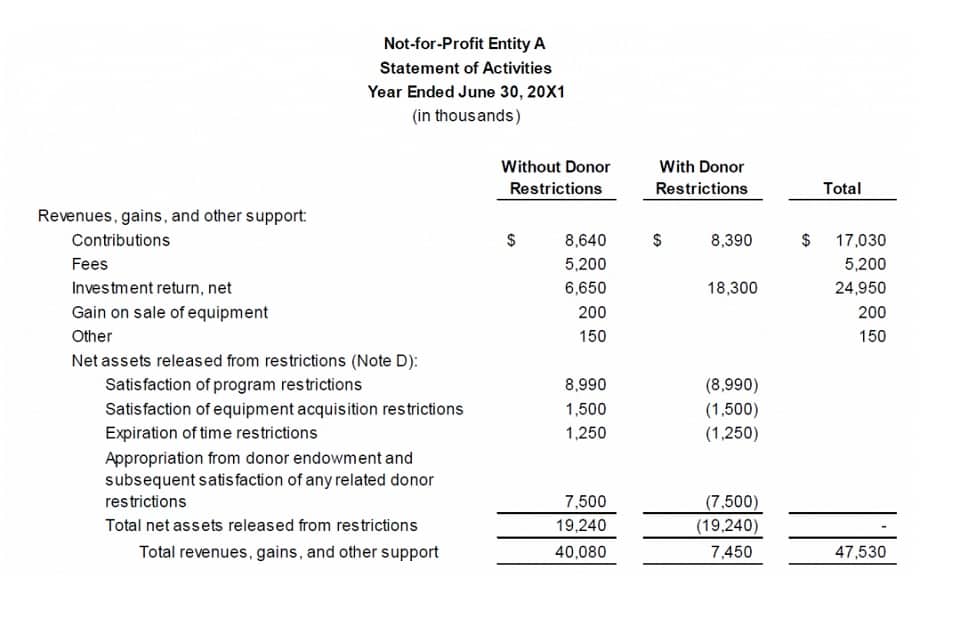
You’ve used your entrepreneurial prowess to produce a product or service that your customers need. And avoiding spending any money when you think you can just take care of a task yourself is tempting. Proper record-keeping for small businesses makes the process easier and keeps you compliant with the law.
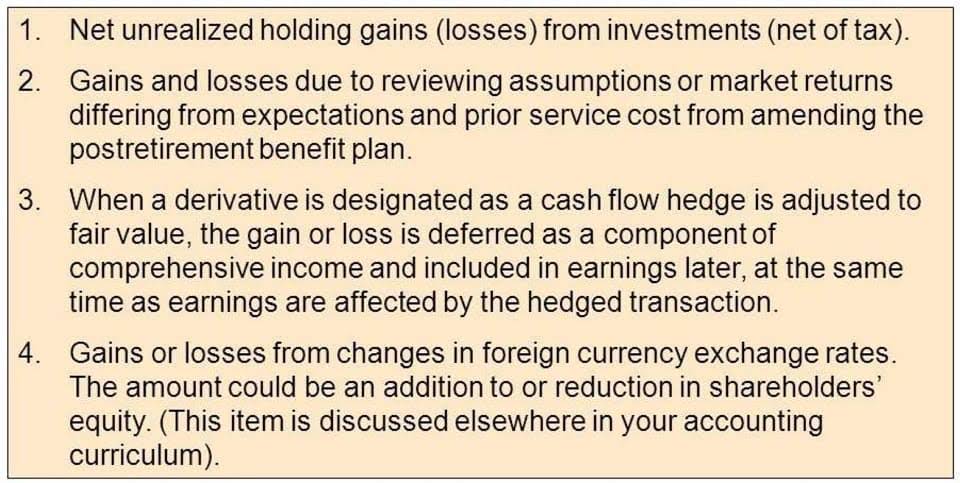
Setting Up a Chart of Accounts
Applying this knowledge can provide a clear picture of your business’s financial health, inform strategic decisions, and ultimately drive business success. We aim to support your business’s financial management needs and help pave the way for your success. Bookkeeping is defined as the process of tracking and recording a company’s financial transactions.